
Choosing Italy is the easy part.
Choosing where in Italy to actually get married can become a slightly different story.
One minute you are saving Tuscan villas. The next you are imagining a sunset ceremony in Sicily, a boat arriving at Lake Como and perhaps a little Ravello terrace situation has somehow joined the group chat too.
Italy gives you a lot of very beautiful choices.
But the best place to get married in Italy is not simply the place with the prettiest photographs. Your region affects your venue options, weather, budget, guest travel, accommodation and the overall experience you are creating.
So before you fall deeply in love with one villa and mentally arrange the flowers, let me make this simpler for you.
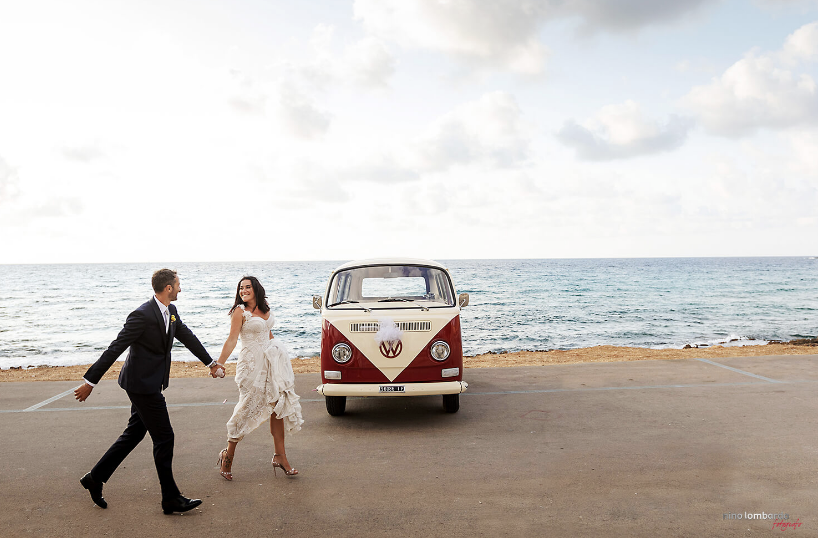
Photography: @ninolombardofotografo
Where Should You Get Married in Italy?
There is no single best region for every couple.
The right one depends on the experience you want to create.
Tuscany works beautifully for countryside celebrations, villas and long wedding weekends.
The Amalfi Coast is dramatic, glamorous and very much about that iconic Mediterranean setting.
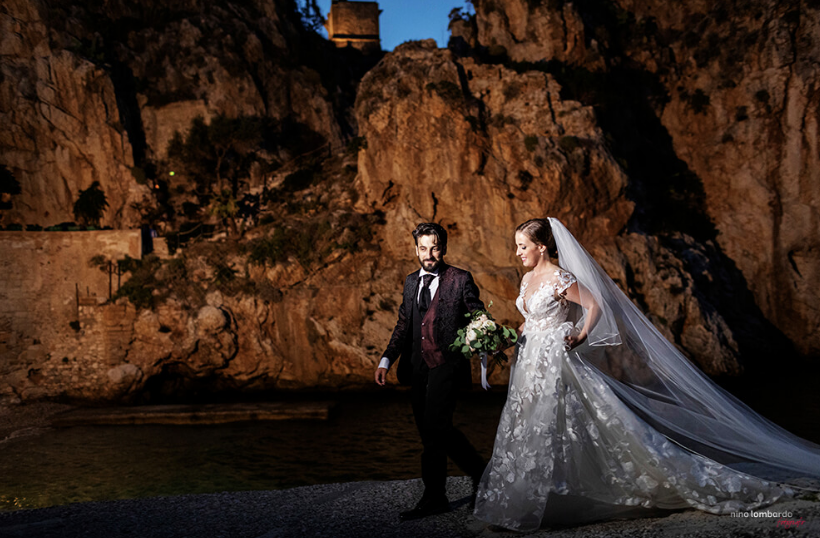
Sicily has warmth, character and a more relaxed sense of old Italy.
Venice gives you something completely different, with historic palazzos, canals and a wedding experience built around the city itself.
The Italian Lakes bring polished villas, water views and a more refined atmosphere.
Before choosing, think beyond the Pinterest board.
Ask yourselves:
What atmosphere do we want?
What can we comfortably spend?
How many guests are likely to travel?
How easy does the destination need to be for them?
What type of venue are we imagining?
What season are we considering?
The answers will usually start narrowing the map surprisingly quickly.
Tuscany: For Countryside Romance and the Classic Italian Dream
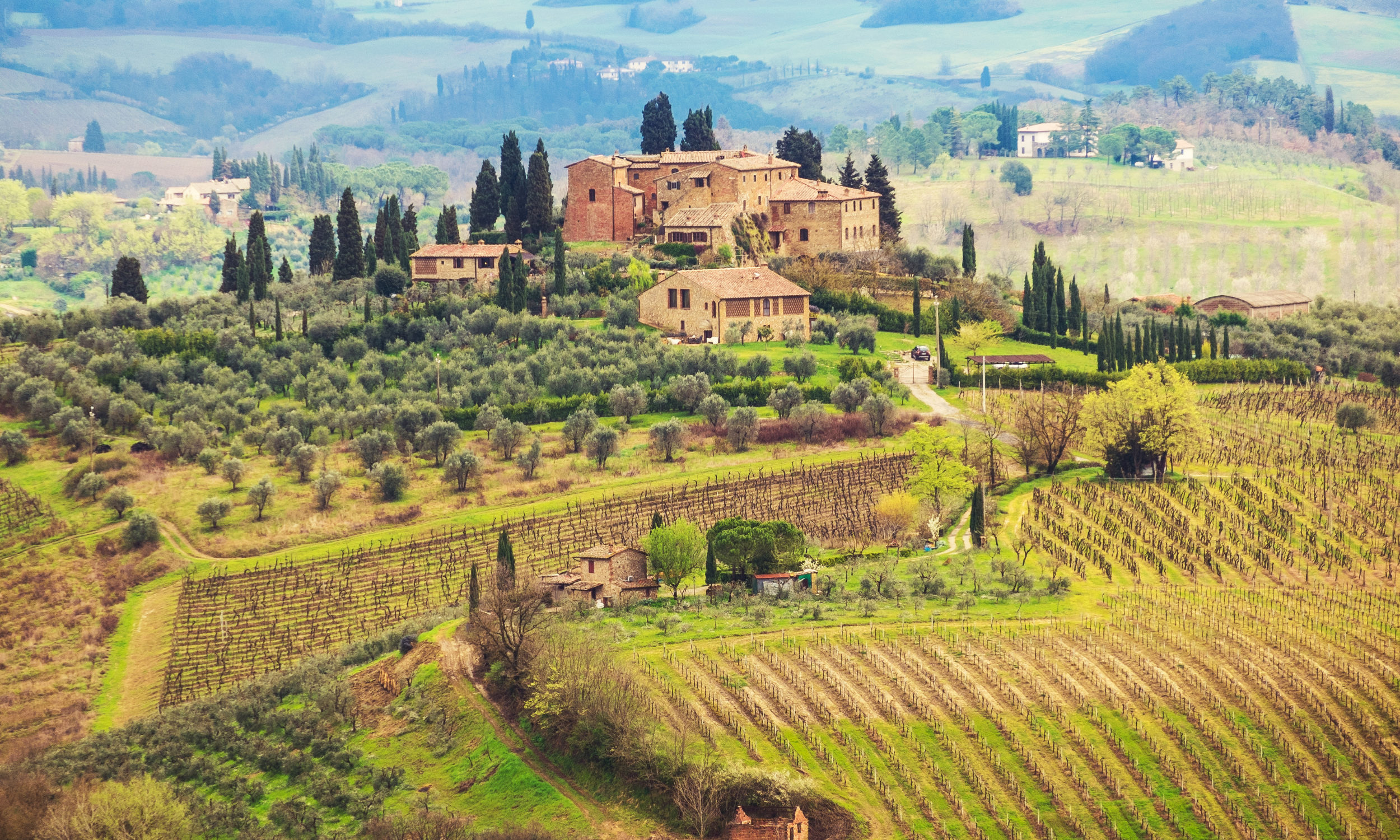
If the version of Italy living in your head involves vineyards, olive groves, old stone villas and dinner under fairy lights, there is a fair chance you are picturing Tuscany.
Tuscany combines countryside beauty with historic cities, incredible food and a huge variety of wedding venues.
Florence gives you Renaissance architecture and city energy. Siena has a more medieval feel. Lucca is smaller and intimate, while the Chianti Hills and San Gimignano offer the rolling countryside that has made this part of Italy so recognisable.
Venue options can include historic villas, castles, countryside estates and agriturismos, which are working farms that also operate as accommodation and event spaces.
This makes Tuscany particularly good for couples wanting to turn the wedding into a few days together rather than one event.
You could have guests stay nearby, host a pizza night or pool day and make the celebration feel like a proper Italian escape.
There is one practical catch.
Some countryside venues are remote, so guest transport and accommodation need to be considered early. The beautiful villa at the end of a winding road is considerably less charming when 80 guests are trying to work out how to get home at midnight.
May, early June and September are particularly appealing months in the IWG Guide because they bring warmer weather with fewer of the crowds and extreme temperatures associated with July and August.
Tuscany may suit you if: You want countryside, beautiful food, villa living and that very classic Italian wedding atmosphere.
Amalfi Coast: For Dramatic Sea Views and Mediterranean Glamour
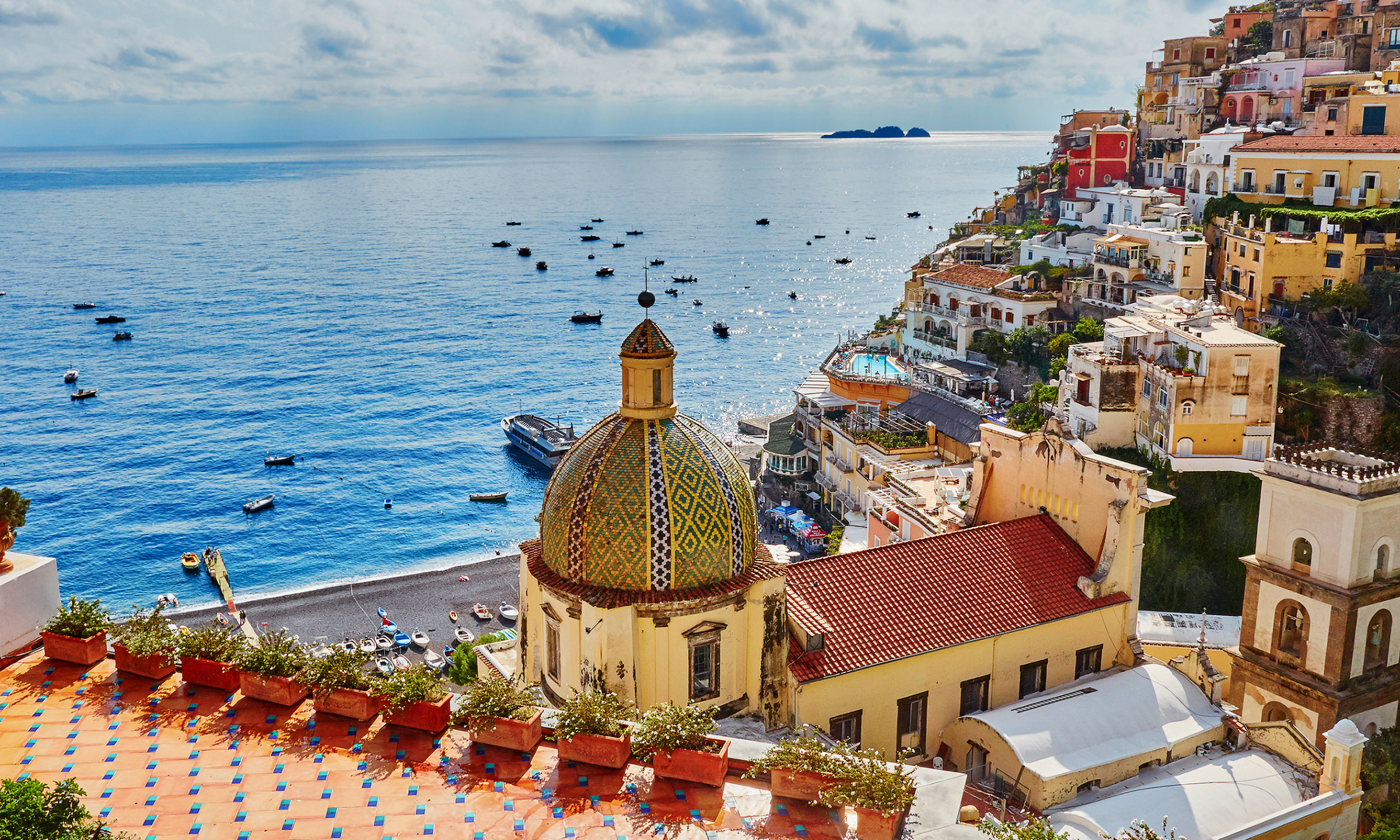
The Amalfi Coast is one of those places that barely looks real.
Cliffs fall into the sea, pastel towns climb up the coastline and wedding venues seem to have been specifically designed to make your photographer very happy.
Positano is the famous one, with its unmistakable cliffside setting.
Ravello brings beautiful gardens and elevated Mediterranean views.
Amalfi itself is lively and colourful, while Praiano offers a quieter alternative. Sorrento can also appeal to couples who want coastal beauty with a little more activity around them.
Venue styles range from historic villas and seaside palazzos to boutique hotels and luxury resorts.
The experience can be spectacular.
The planning can also require a little more thought.
The Amalfi Coast is one of Italy's most in demand wedding areas, and pricing can reflect that. July and August also bring intense heat, tourists and busy coastal towns.
Transport matters here too.
Narrow roads, hills and the geography of the coast mean you need to think carefully about where guests are staying and how everyone will move between accommodation, ceremony and reception.
May, early June and September can give you the coastal atmosphere with slightly more breathing room.
And if your heart wants Amalfi but your budget has raised an eyebrow, areas such as Praiano or Vietri sul Mare may be worth considering.
Amalfi may suit you if: The sea view is non negotiable, you love glamour and atmosphere, and you are comfortable giving logistics and budget a little more attention.
Sicily: For Authenticity, Warmth and a Wedding That Feels Like an Experience
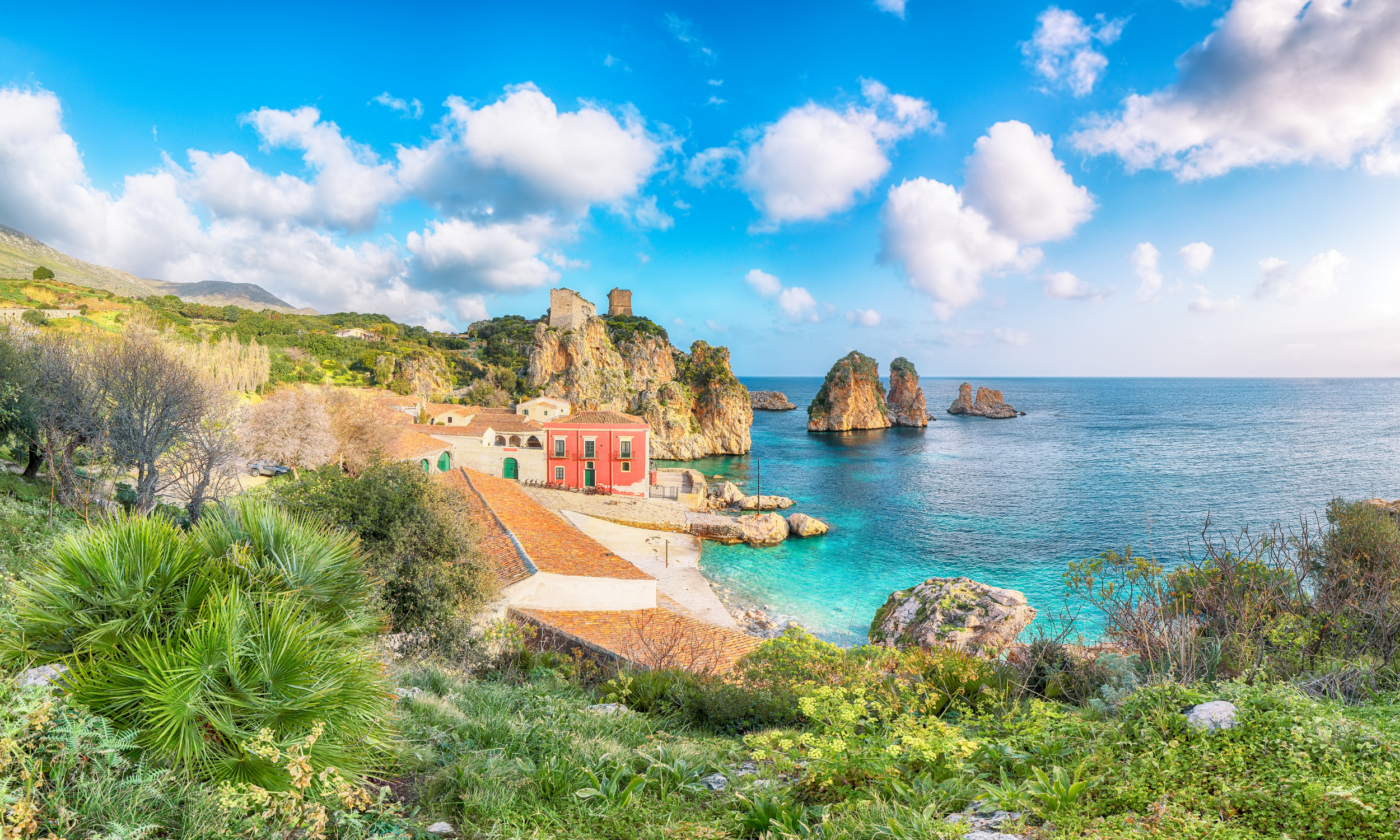
Photography:
I am slightly biased here.
We chose Sicily for our own wedding, and it gave us exactly what we wanted.
For us, Trapani felt personal. My family had spent years there, Luke has Sicilian roots, and we loved the mix of coastline, countryside, food and that very particular Sicilian warmth.
But even without a personal connection, Sicily deserves serious consideration.
It combines old world towns, coastal scenery, vineyards, rustic venues, historic architecture and some genuinely beautiful places that can feel less saturated than Italy's most famous wedding destinations.
Taormina is dramatic and glamorous.
Palermo is full of energy and culture.
Modica, Ragusa and Scicli bring beautiful Baroque architecture.
Trapani offers coastal charm and easy access to the Egadi Islands, while smaller towns such as Savoca and Forza d'Agrò feel wonderfully timeless.
Sicily can also offer more breathing room for your budget than regions such as Lake Como or the Amalfi Coast.
That does not mean you can ignore the logistics.
Some venues are remote, and international guests still need clear guidance around flights, transfers and accommodation.
For our wedding, 110 friends and family travelled to Trapani. It became much more than a wedding day. It turned into the kind of shared holiday people still talk about afterwards.
April, May, September and October are lovely months to consider. July and August can become extremely hot, particularly away from the coast.
Sicily may suit you if: You want authenticity, incredible food, coastal or rustic scenery, and a wedding that feels relaxed, generous and deeply Italian.
Not Sure Which Italian Region Actually Fits Your Wedding?
Photography: @opera57studio
Knowing what the regions look like is one thing.
Knowing how the choice affects your budget, venue, guests, suppliers and ceremony is where planning starts becoming much clearer.
The Italy Wedding Guide walks you through the decisions that matter before you commit, including regions, ceremony options, venue types, budgets, suppliers, guest logistics and your planning timeline.
It was created from my own experience planning our wedding in Sicily from Australia, and is designed to help couples planning from abroad understand how the process actually works before the planner stage.

The Italy Wedding Guide
Practical guidance, real-life experience, and clear next steps to help you understand how an Italian wedding actually works before the planning stage.
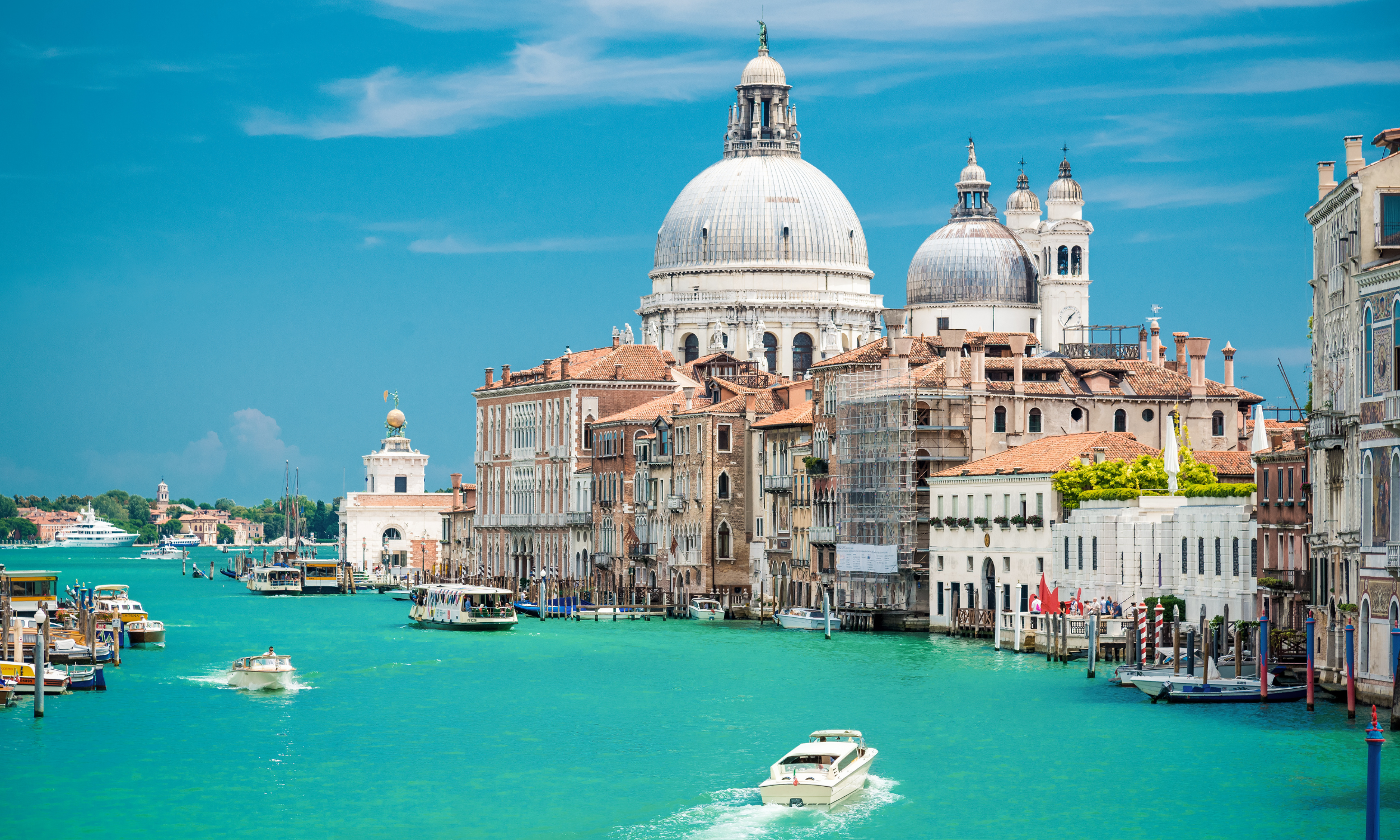
Venice and Veneto: For Old World Romance and Something Completely Different
Photography:
Venice is not subtle.
And that is precisely the point.
A wedding here can involve historic palazzos, candlelit interiors, canals, private boats and some of the most recognisable architecture in the world.
The city itself becomes part of the event.
Venice suits couples who want something romantic and cinematic, but perhaps less countryside and more atmosphere.
You can also look beyond central Venice.
Murano offers a quieter local character.
Giudecca gives you views back towards Venice.
Lido di Venezia adds a more relaxed coastal feeling.
Further into Veneto, the Prosecco Hills create another direction entirely.
Venice does require a different approach to logistics.
Cars cannot simply pull up outside every venue, and moving guests may involve walking or boat transport.
That can make the celebration incredibly memorable, but you need to know what you are signing up for before the invitations go out.
April, May, June and September are highlighted in the Guide for milder temperatures and beautiful conditions. July and August can be hot, humid and crowded.
If you choose Venice, think of transport as part of the experience rather than an annoying extra.
A boat transfer for guests is both practical and very difficult to complain about.
Venice may suit you if: You love history, architecture, drama and the idea of a wedding that could not really happen anywhere else.
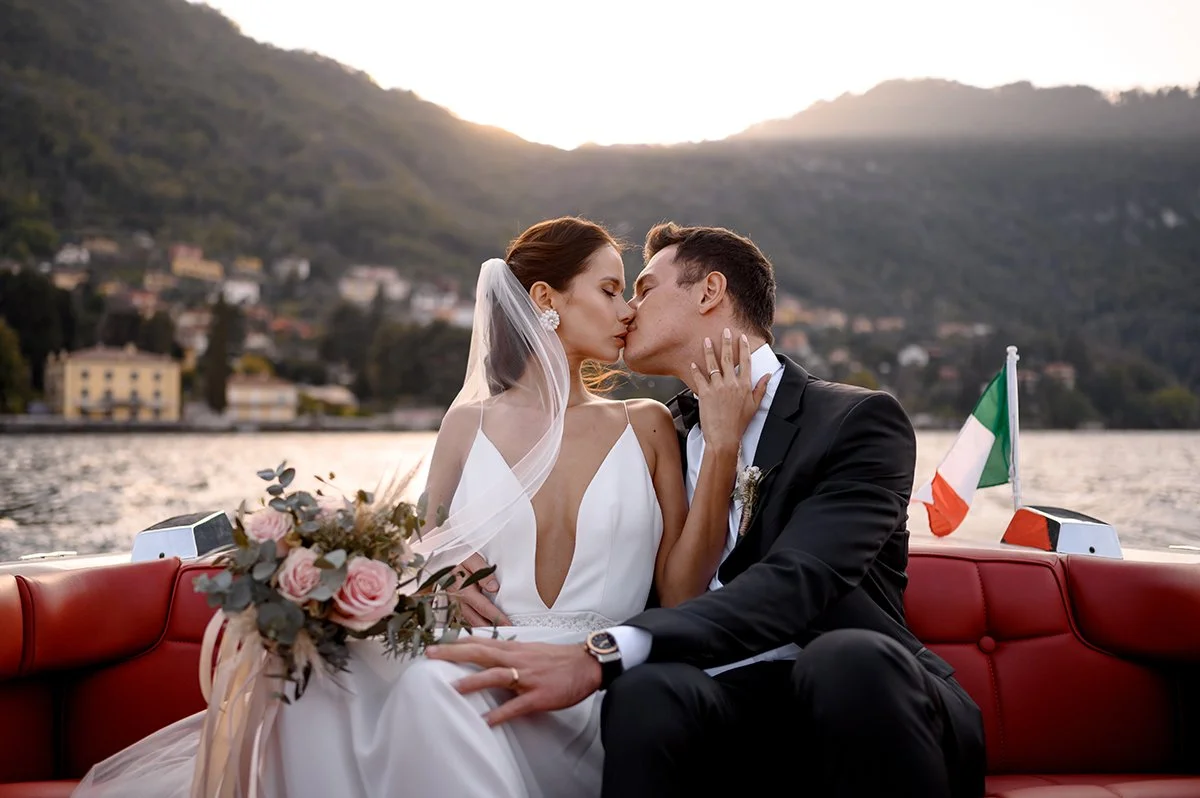
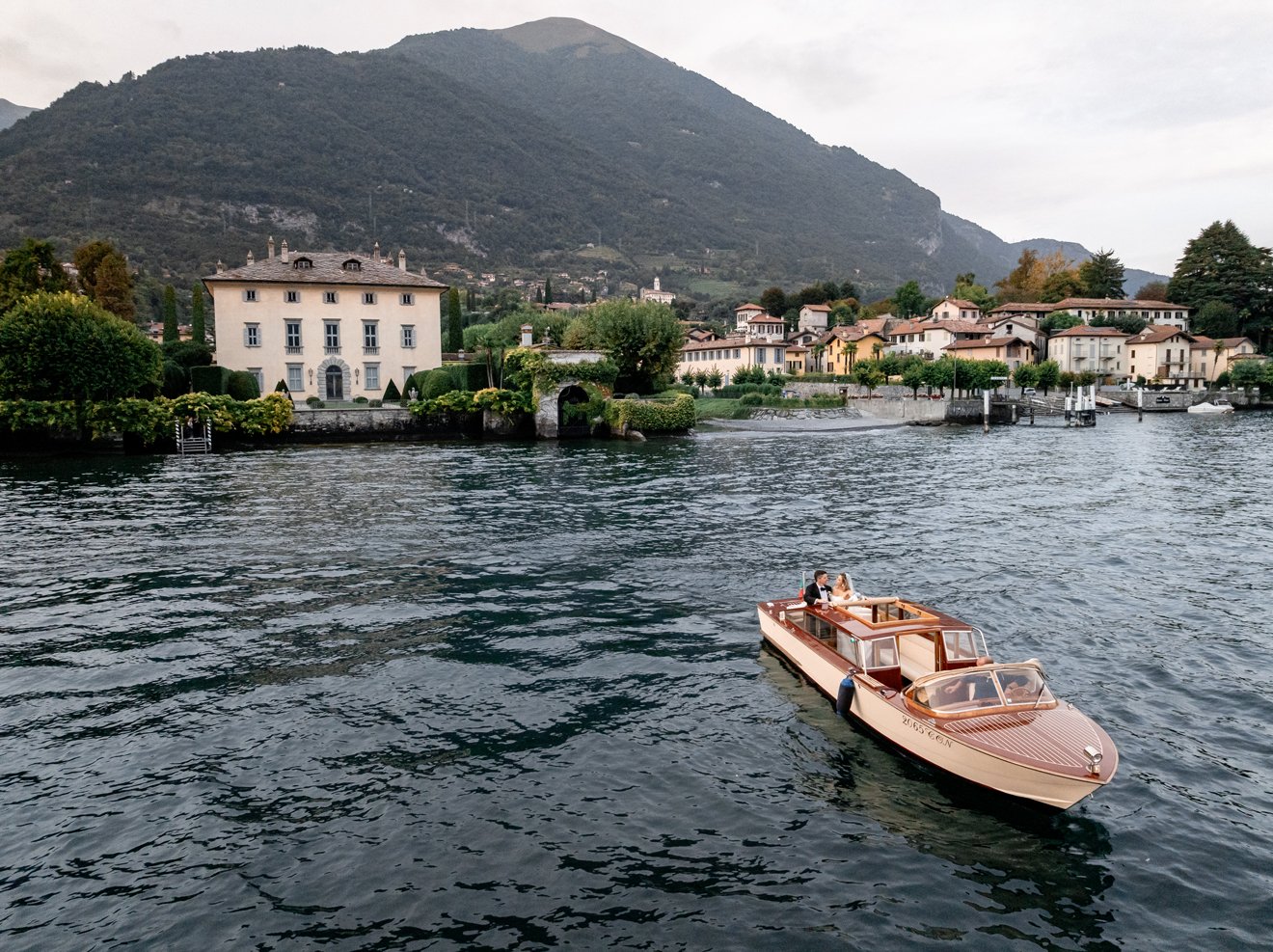
Lake Como and Lake Maggiore: For Polished Lakeside Elegance
Photography: @opera57studio
If your wedding vision is elegant, calm and beautifully composed, the Italian Lakes are difficult to ignore.
Lake Como is known for grand historic villas, gardens, mountain views and picturesque waterside towns.
Bellagio is one of the best known.
Varenna feels smaller and romantic.
Menaggio combines lake access with more everyday local life.
Lake Maggiore also deserves attention, particularly towns such as Stresa and Cannobio.
Venue choices can range from standalone historic villas to luxury hotels that include accommodation, catering and event support.
That variety matters if you are planning internationally.
A beautiful standalone villa can give you complete creative freedom but may require more suppliers and logistics.
A hotel or venue with more services included can make the planning load significantly lighter.
The Lakes sit towards the premium end of Italian destination weddings, particularly when you are looking at well known villas and high demand dates.
May, June and early September are strong periods to consider, while many venues slow down or close during the colder months between November and March.
And yes, boat transport may become part of your wedding plans here too.
There are worse problems to have.
The Italian Lakes may suit you if: You want refined venues, lake views, beautiful service and are comfortable allocating more of the budget to location and experience.
So, Which Is the Best Wedding Region in Italy?
Photography: @ninolombardofotografo
The final month should feel more like checking than creating.
Confirm your bookings.
Review your supplier schedule.
Make final payments where required.
Check your guest transport details.
Pack what you need.
Then give yourself permission to enjoy the fact that your wedding is actually happening.
This is not the time to suddenly decide your entire wedding needs a new colour palette.
Most of the important work should already be done.
One of the most common timeline mistakes is trying to organise everything at once at the beginning, then leaving important confirmations until the very end.
A clear planning order helps prevent that.
The aim of your timeline is not to make you feel rushed.
It is to make the next decision obvious.
And when you are planning a wedding from the other side of the world, knowing what comes next is half the battle.
A Few Things to Check Before Choosing Your Region
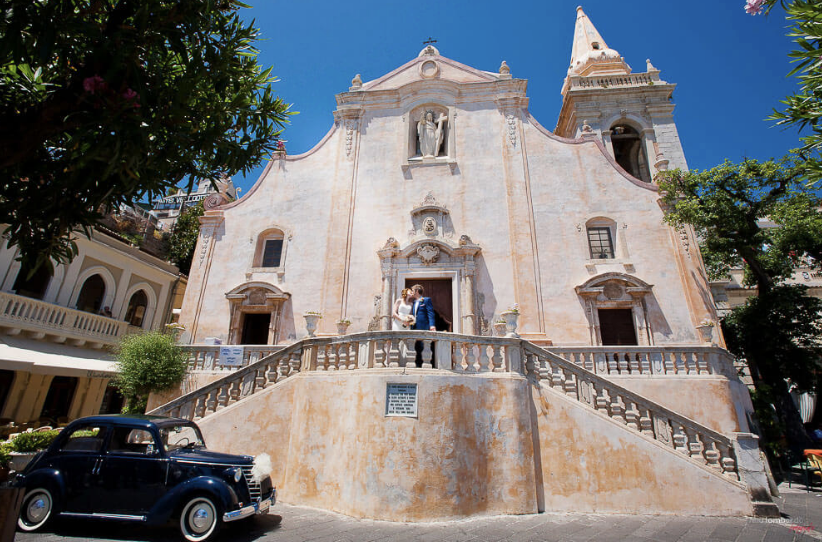
Photography: @ninolombardofotografo
Once you have two or three favourites, compare them properly before moving into venue enquiries.
Look at flight access from where most of your guests will be travelling.
Check the distance from airports to the areas you are considering.
Research nearby accommodation.
Think about whether guests will need cars, shuttles, ferries or boats.
Compare venue styles and general pricing.
Consider the season.
And think about the wedding weekend as a whole.
Your guests are travelling a long way. The region becomes part of their experience too.
If your time and budget allow, visiting before you book can also be incredibly useful.
A site visit tells you things photographs cannot.
You can see how the journey feels, whether the venue is genuinely accessible, where guests might stay and whether the place has the atmosphere you imagined.
Sometimes the region you thought you wanted becomes even more perfect.
Sometimes you discover a completely different part of Italy.
Both are useful outcomes.
Final Thoughts
Choosing where to get married in Italy should feel exciting, not like you need a master's degree in Italian geography.
Start with the experience you want.
Then consider your guests, budget, season and logistics.
Pretty matters, obviously. We are still talking about an Italian wedding.
But the right region is the one that gives you the beauty you want while making the rest of your wedding feel possible.
You do not need to research every corner of Italy before moving forward.
You just need enough clarity to narrow the map and make your next decision well.
Ready to Choose Your Italian Wedding Direction?
If you are deciding between regions, venues, ceremony options and what comes first, the Italy Wedding Guide gives you the wider roadmap.
It helps you understand the process before the bigger commitments begin, so you can make smart early decisions and move forward with confidence.
The Italy Wedding Guide
Your practical first step for understanding how to plan a wedding in Italy, what to prioritise and what to think about before making the bigger commitments.