
How to Actually Get Married in Italy: Answers to the 27 Questions Everyone Asks

Planning an Italian wedding can feel like two separate projects happening at once:
the legal marriage part (paperwork, appointments, translations, rules that vary by town), and
the wedding part (the venue, the vibe, the pasta, the late-night dancing).
This post is your calm “start here.” It’s designed for couples at the beginning, especially those getting married in Italy from Australia ,who want clear answers without the planner paywall panic.
Quick reality check (in a good way): Lots of couples do the legal part at home, then do a symbolic ceremony in Italy. Others do everything legally in Italy. Both are valid,choose the path that fits your stress tolerance, timeline, and how much admin you want to do from overseas.
LEGAL: Paperwork + What “Legal” Even Means
1) Can foreigners, including Australians, legally get married in Italy?
Yes, a legal wedding in Italy for foreigners is possible, but the paperwork is not one-size-fits-all. Requirements depend on your nationality, your relationship status (single/divorced/widowed), and the Comune (town hall) where you’ll marry. Some towns are wonderfully efficient; others are… charmingly slow.
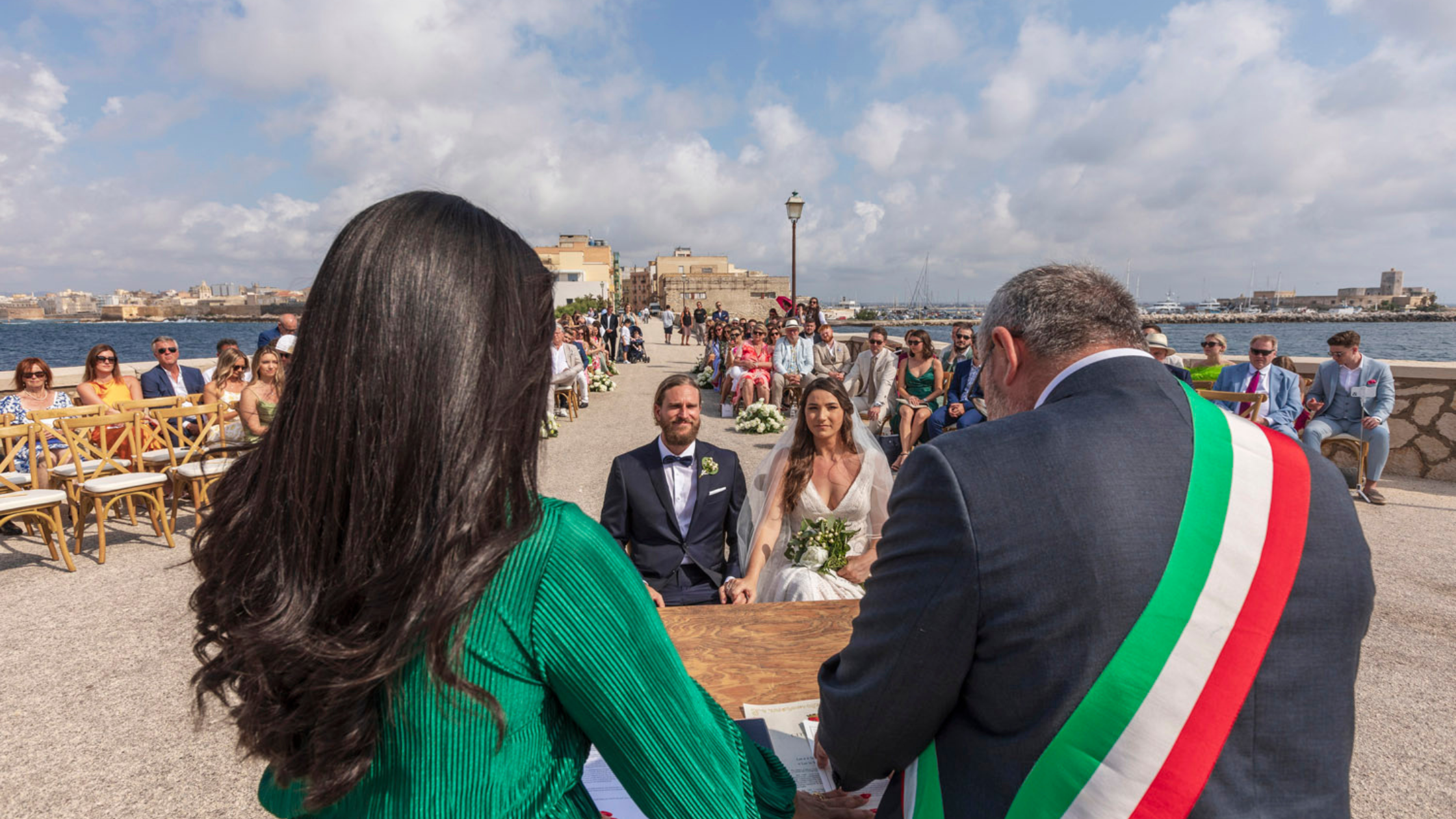
2) What’s the difference between civil, religious, and symbolic ceremonies?
Civil ceremony: performed by an Italian civil registrar; legally valid.
Religious ceremony: may be legally recognised if it follows the required process (depending on faith and location).
Symbolic ceremony: not legally binding, purely ceremonial, but often the easiest option for overseas couples.
3) Do we need to be residents of Italy?
Usually, no. Most destination couples aren’t residents. The key is meeting the Comune’s documentation and timing requirements and being physically present for any required appointments.
4) Should we do the legal marriage in Australia and the ceremony in Italy?
If you want the lowest-admin option, yes, it’s popular for a reason.
Couples often do a simple legal marriage at home, then enjoy an Italian ceremony that’s 100% about the experience,without worrying about document validity windows, translations, and Comune appointments.
If the legal moment in Italy matters deeply to you, it’s also absolutely doable, just plan earlier and build in buffer days.
5) What documents do Australians usually need to marry legally in Italy?
This can vary by Comune, but Australians are commonly asked for a combination of sworn declarations and supporting documents (like birth certificates and evidence of marital status), often requiring formal legalisation and translation. Some Italian authorities note Australians may need a sworn declaration and an Atto Notorio (a formal declaration about your capacity to marry), depending on the route you take.
6) What is a “Nulla Osta” and what is an “Atto Notorio”? Do Australians need both?
Nulla Osta = a “no impediment” document stating there’s nothing preventing the marriage under your home law.
Atto Notorio = a formal declaration (made with witnesses) confirming you’re free to marry.
Some Comune guidance explicitly lists an Australian pathway involving a sworn declaration (dichiarazione giurata) plus an Atto Notorio, and notes legalisation steps may apply.
Australian-focused consular guidance also references Atto Notorio requirements and witness counts in certain cases.
Translation: Don’t lock anything in based on one blog post (including mine). Ask your Comune for their exact checklist early, because Comune practices can differ.
7) Do our documents need apostilles and translations?
Often, yes, especially if you’re using Australian-issued certificates. Many Italian offices expect foreign documents to be legally certified (commonly via apostille) and translated according to their rules (some require certified/official translations). An Italian Comune’s published checklist also references apostille/legalisation and translation expectations in multiple scenarios.
8) How far ahead should we start the legal process?
Start early enough that you’re not booking flights around paperwork. Many documents have validity windows, and one Comune checklist notes that capacity/no-impediment documentation may be valid for six months unless stated otherwise.
A safe planning mindset: begin the legal admin 6–9+ months out, and confirm the exact timing with your Comune.
9) Do we need witnesses or an interpreter?
For civil ceremonies, witnesses are standard. Interpreter requirements depend on whether you speak Italian and what the Comune requires; many towns will insist on an interpreter if one or both of you can’t understand the legal wording.
Also: if either partner is divorced/widowed, extra documentation may be required, and Italian rules can include waiting periods in specific circumstances (your Comune will confirm what applies to you).
VENUES: Where You Can Marry + What Actually Matters
10) Where can we legally get married, only at a town hall?
Civil marriages typically happen at the Comune, but many towns also have approved “satellite” locations (historic villas, gardens, terraces) that are legally authorised for civil ceremonies. Ask: “Is our venue licensed for civil ceremonies, or would we do the legal part at the Comune?”
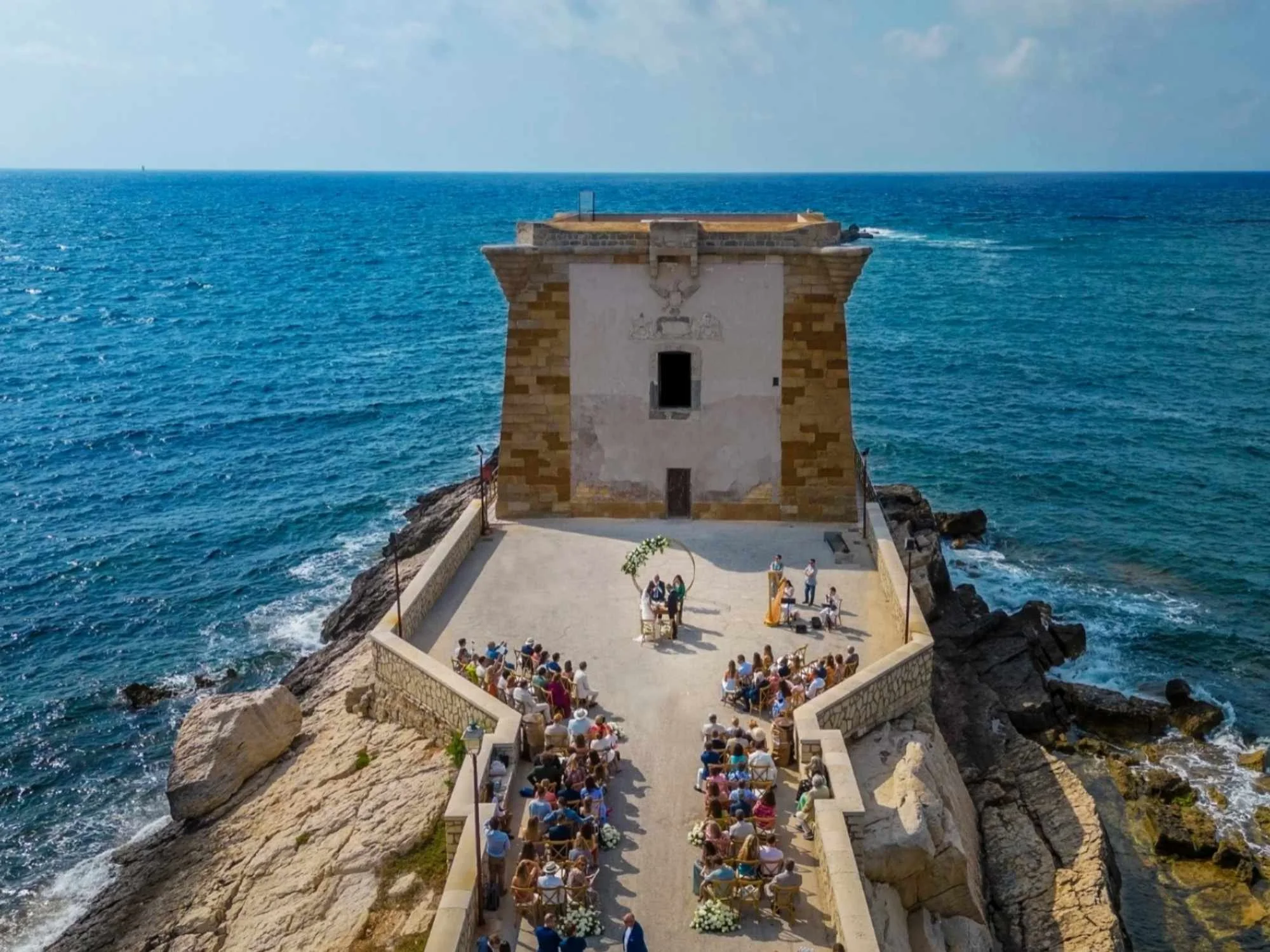
11) Which regions are most logistics-friendly for destination weddings?
This depends on your priorities:
Tuscany / Umbria: classic countryside venues, strong vendor networks, easier multi-day stays.
Lake Como / Garda: high-impact scenery, premium pricing, strong hospitality.
Puglia: masserias, warm evenings, great food culture.
Amalfi Coast: iconic views, but tighter logistics (transfers, traffic, stairs).
Sicily: incredible value + culture, slightly longer travel for many guests.
12) When should we book a venue for a 2027 date?
If you want the best venues (and prices) for your Italian wedding in 2027, start early. The most in-demand spots, especially for Saturdays in May, June, or September, are often booked 12 to 18+ months in advance. If you’re open to a weekday or shoulder-season date, you’ll have more flexibility and potentially better rates.
💡Want the full breakdown of what to book when? Learn more about the ideal planning timeline inside my Italy Wedding Guide. It’s your month-by-month roadmap to pulling this off without spiralling
13) What venue questions matter most in Italy?
Ask these early (they’re the difference between “effortless” and “why is everyone sweating”):
What’s the Plan B for rain/wind/heat?
Curfew / music rules / amplification limits?
Is there enough power for band/DJ/lighting?
Accessibility: stairs, cobblestones, shuttle needs
What’s included vs rented (chairs, tables, glassware, lighting)?
BUDGET: What It Costs + Where It Sneaks Up
14) How much does a wedding in Italy cost in 2027?
This is the question everyone asks,and the most frustrating to Google. Costs depend heavily on guest count, region, venue type, season, and how “produced” the styling is.
A realistic way to think about it:
Fixed costs (venue/site fee where applicable, planner/coordinator, music, photo/video)
Per-guest costs (catering, rentals, stationery, transport, favours)
Experience costs (welcome event, day-after brunch, boats, gelato carts, lighting installations)
If you want, I can also turn this into a scannable budget range chart by region + guest count for your site.
15) What are the highest hidden costs for overseas couples?
Common budget “surprises”:
Transfers/shuttles (especially coastal/hill towns)
Furniture rentals (if your venue doesn’t include much)
Extra staffing hours + overtime
Sound/lighting production
Currency conversion + international transfer fees
Extra events (welcome drinks and recovery brunch add up fast)
16) How do deposits and payments usually work?
Many vendors request:
A deposit to secure the date
Staged payments
Final balance close to the wedding day
Tip: build a spreadsheet that tracks due dates in euros, and decide how you’ll manage currency (Wise, bank transfer, etc.) so exchange-rate swings don’t surprise you.
17) Do we need wedding insurance?
Often a smart yes, especially for weather risk, vendor cancellation, travel disruptions, and liability. Check whether your venue requires proof of coverage.
VENDORS: How to Book Without Getting Burnt
18) Do we need a planner?
You can plan without one, but if you’re juggling:
legal steps
multiple vendors in Italian time zones
guest logistics, and
a venue you can’t easily visit…
…a planner or at least a day-of coordinator can be sanity-saving. Many couples who do Italian wedding planning without a planner still hire a coordinator for the wedding week so they’re not the point person.

19) How do we find vendors we can trust from Australia?
Use a layered approach:
Start with your venue’s trusted list
Cross-check portfolios for consistency (not just highlights)
Ask for full galleries (not only Instagram)
Get clarity on who you’re actually working with on the day
Prioritise vendors who communicate clearly across time zones
20) What should be in your vendor contracts?
At minimum:
deliverables and timing
payment schedule and refund/cancellation terms
overtime rates
travel fees
What happens if the lead vendor is sick
photo/video usage rights
If a contract is only in Italian and you’re not fluent, get it translated or reviewed before signing.
21) What’s the booking timeline for key vendors?
A general order:
Venue
planner/coordinator
photographer/video
catering (if separate), music
florals/design
hair/makeup
transport + guest logistics extras
FOOD + DRINK: The Italy Advantage (and 2027 Trends)
22) What does an Italian wedding menu usually look like?
Italy weddings tend to be food-forward and paced. Many celebrations include:
aperitivo (drinks + roaming bites)
multiple courses
regional wine
late-night sweets/espresso
This is why “rubbery chicken” doesn’t really belong here.
23) Are interactive food experiences a thing in Italy?
Yes, and they’re getting bigger. If you’re looking for interactive wedding food ideas Italy, think:
live pasta finishing
mozzarella/ricotta moments
gelato/granita carts
regional tasting corners (cheese, olive oil, wines)
The key is making it feel Italian, not gimmicky: local ingredients, local rhythm, beautiful simplicity.
24) What about dietary requirements,can Italy do vegan/gluten-free?
Yes, but handle it proactively:
Collect dietary needs early
Confirm what the caterer can truly execute
Label stations clearly
Don’t assume “vegetarian” is automatically understood the same way everywhere

25) How does bar service work?
Options vary by venue/caterer:
wine/beer included with meal
open bar packages
signature cocktails for aperitivo
after-dinner amaro/limoncello/espresso setups
A small detail that feels luxurious: a late-night espresso + digestivo corner when dancing kicks off.
TRAVEL + GUEST EXPERIENCE: The Make-or-Break Layer
26) How do we structure the weekend without exhausting everyone?
A simple “Italy-proof” flow:
Welcome aperitivo (easy, low-pressure, short speeches)
Wedding day (ceremony + reception)
Optional day-after (beach/pool/brunch, drop-in, not mandatory)
Give guests breathing room. Italy rewards unstructured time.
27) What’s the one guest-experience choice that makes it all feel “worth it”?
Make the between moments beautiful:
easy transport
clear timing
water/shade/comfort
a thoughtfully paced aperitivo
one surprise that feels local (gelato cart, olive-oil favours, a folk trio, a sunset boat moment)
That’s how you create the “we’re still talking about it” wedding.
Want the calm step-by-step version (with checklists + templates)?
If this post helped, you’ll love The Italy Wedding Guide, the full, practical roadmap with clearer timelines, venue questions, budget breakdowns, and planning tools you can actually use.